
My job is to observe how people move.
Some people notice the way others dress, play sports, dance, or perform. I observe movement itself. I watch how people walk, sit down, stand up, stop, turn, and run. Simply by observing movement, it is often possible to recognize a great deal of information. Is there a lack of strength? Is pain changing the way a person moves? Is there a problem with motor control? Has the body learned inefficient movement patterns? Sometimes, the answers are visible before a single test is performed.
Many people believe that movement is completely natural—that we are born knowing how to move and that there is little to learn or understand. They are partly right. The drive to move is innate. It is a fundamental characteristic of the animal kingdom, and humans are no exception.
What makes humans unique is that there are countless ways to accomplish the very same movement. Our anatomy, our environment, our daily habits, previous injuries, and the way we learn all shape how we move.
Think about something as simple as walking. If your hip hurts, you will walk differently. If your knee hurts, your gait will change in another way. Pain under the heel produces one compensation, while pain in the big toe creates another. Somehow, the brain reorganizes movement without us even realizing it.
The same process allows us to learn new skills. None of us was born knowing how to write, yet every person develops a unique handwriting style. The same is true for sport, dance, music, and countless other activities. Elite athletes, great dancers, virtuoso musicians—even speaking and singing—are all the result of learning increasingly sophisticated movement patterns.
Unfortunately, we do not learn only efficient movement. We can also develop movement patterns that gradually become inefficient. Over time, these adaptations may contribute to musculoskeletal dysfunction, reduced movement efficiency, and, in some cases, structural deformities.
This is why Movement Algorithm focuses primarily on foot position and foot function, especially during childhood growth and development.
Together, we will explore how the feet develop, how they function, and how they may be connected to posture, walking, balance, and movement quality.
We will also examine how foot function may influence athletic performance, including running speed, change of direction, jump height, landing mechanics, and many other aspects of human movement.
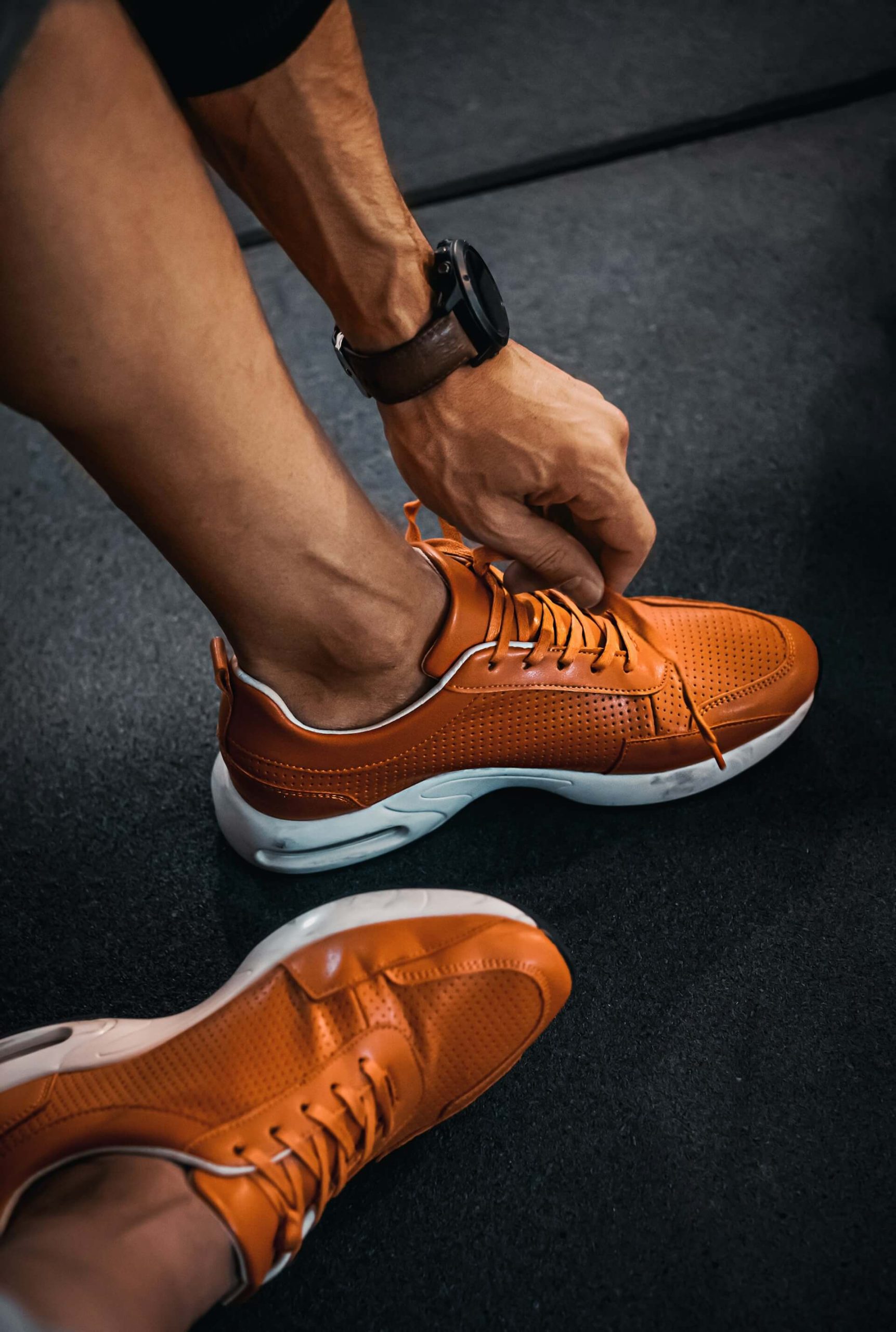
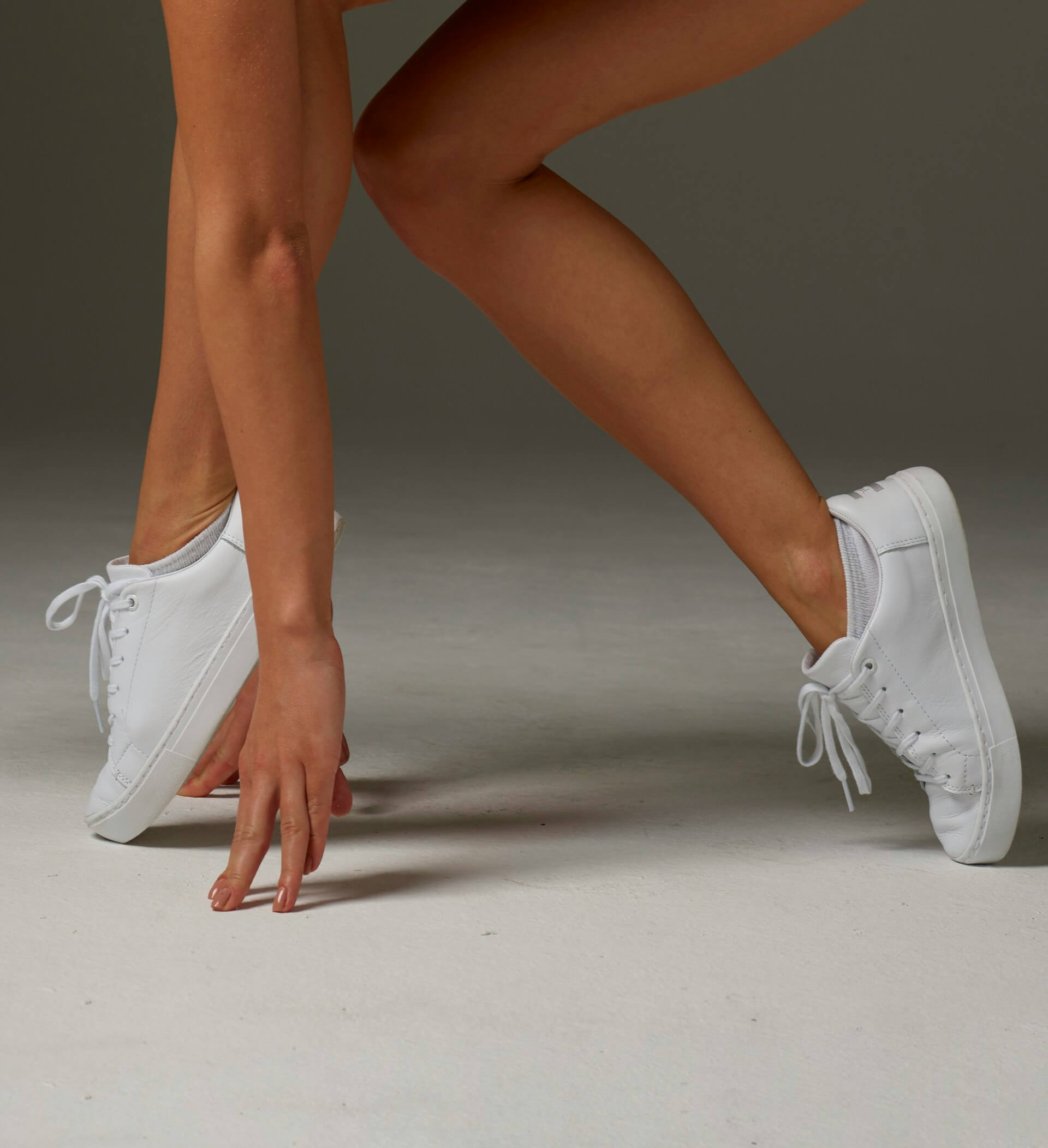
Finally, we will discuss topics that may not seem directly related to the feet at first—such as core function, hip mobility, balance, and motor control—and explore how these systems interact and why understanding those relationships matters.
If you are curious about how the human body moves—and why it sometimes doesn’t—you are in the right place.
Welcome to Movement Algorithm.